
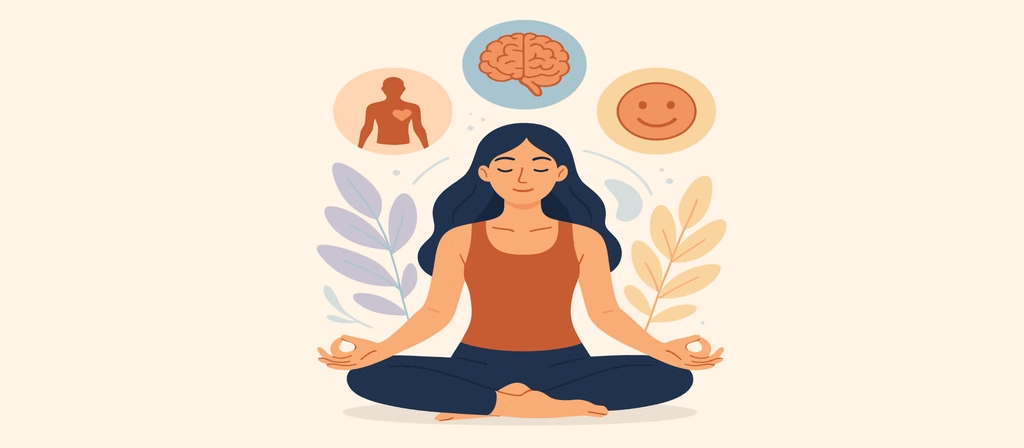
Wellbeing is rarely the result of one major decision. It is usually shaped by small choices repeated consistently over months and years. The way people eat, sleep, move, manage stress, maintain relationships, and organize daily responsibilities can influence both physical health and emotional balance. Building a sustainable lifestyle does not require perfection. It requires practical habits that can continue even when schedules become busy or circumstances change.
Modern life also involves managing an increasing amount of information. People regularly move between health resources, workplace platforms, financial services, and government portals. A person searching for information through www.apnakhatarajsthan.com, for example, may be completing an administrative task while simultaneously handling family and professional responsibilities. Developing organized digital habits can reduce unnecessary frustration and leave more mental energy for personal wellbeing.
Make Regular Movement Part of Everyday Life
Physical activity is one of the most valuable lifestyle habits for long term wellbeing. Movement supports cardiovascular fitness, muscle strength, flexibility, mobility, and general energy levels. It can also contribute to improved mood and provide a healthy way to manage everyday stress.
Exercise does not always need to involve an intensive gym routine. Walking, cycling, swimming, stretching, gardening, and recreational sports can all help people remain active. Even daily activities can become opportunities for movement when people choose stairs, walk short distances, or take brief activity breaks during long periods of sitting.
Just as someone may carefully examine location related information such as mp bhulekh naksha when completing a specific task, it can be useful to pay similar attention to personal routines. Identifying periods of prolonged inactivity can make it easier to introduce movement naturally throughout the day.
Protect the Quality of Your Sleep
Sleep affects both physical recovery and mental performance. A consistent sleep routine can support concentration, emotional regulation, energy, and the body’s natural recovery processes. Poor sleeping habits, on the other hand, can make ordinary responsibilities feel more difficult.
Creating a calmer evening routine may improve sleep quality. Reducing screen exposure before bed, keeping the bedroom comfortable, and maintaining relatively consistent sleeping and waking times can support healthier patterns. Finishing administrative tasks, including searches such as bhulekh uk gov in login uttarakhand csc, earlier in the evening may also prevent unnecessary digital activity from extending into valuable rest time.
Choose Food for Consistency Rather Than Perfection
A sustainable approach to nutrition is generally more practical than constantly following restrictive trends. Meals built around vegetables, fruits, whole grains, appropriate protein sources, and other nutrient rich foods can support energy and overall health.
Hydration is equally important. Keeping water easily accessible throughout the day can make regular hydration easier to maintain. Rather than labeling every food as good or bad, people can focus on building balanced eating patterns that work with their schedules, preferences, and nutritional needs.
Manage Information and Daily Responsibilities
Mental wellbeing can be affected by the number of unfinished responsibilities competing for attention. Creating simple schedules, keeping important information organized, and completing priority tasks one at a time may reduce feelings of mental overload.
Digital organization has become particularly important. Whether someone is accessing educational information through www. prerna up.in or completing another online responsibility, setting aside dedicated time for digital tasks can prevent them from interrupting the entire day. Turning off unnecessary notifications and separating work time from personal time can also create healthier boundaries.
Maintain Meaningful Social Connections
Relationships can provide companionship, emotional support, and a valuable sense of belonging. Regular conversations with friends, spending time with family, participating in community activities, or simply sharing meals with others can strengthen social connections.
At the same time, healthy boundaries matter. Constant availability can become exhausting. Making room for quiet time, hobbies, reading, relaxation, or outdoor activities can help people recharge mentally.
Create Routines That Can Adapt
Long term wellbeing depends on flexibility. Workloads change, family responsibilities develop, and unexpected tasks appear. Someone may unexpectedly need to research employment or welfare information through resources such as www.theupbocw.com, disrupting an otherwise predictable schedule. A healthy routine should be adaptable enough to accommodate such responsibilities without collapsing completely.
Ultimately, physical and mental wellbeing grows through consistent, realistic choices. Regular movement, quality sleep, balanced nutrition, meaningful relationships, organized responsibilities, and adequate personal time can work together to create a healthier lifestyle. Instead of pursuing dramatic short term changes, building manageable habits offers a stronger foundation for wellbeing that can continue throughout different stages of life.